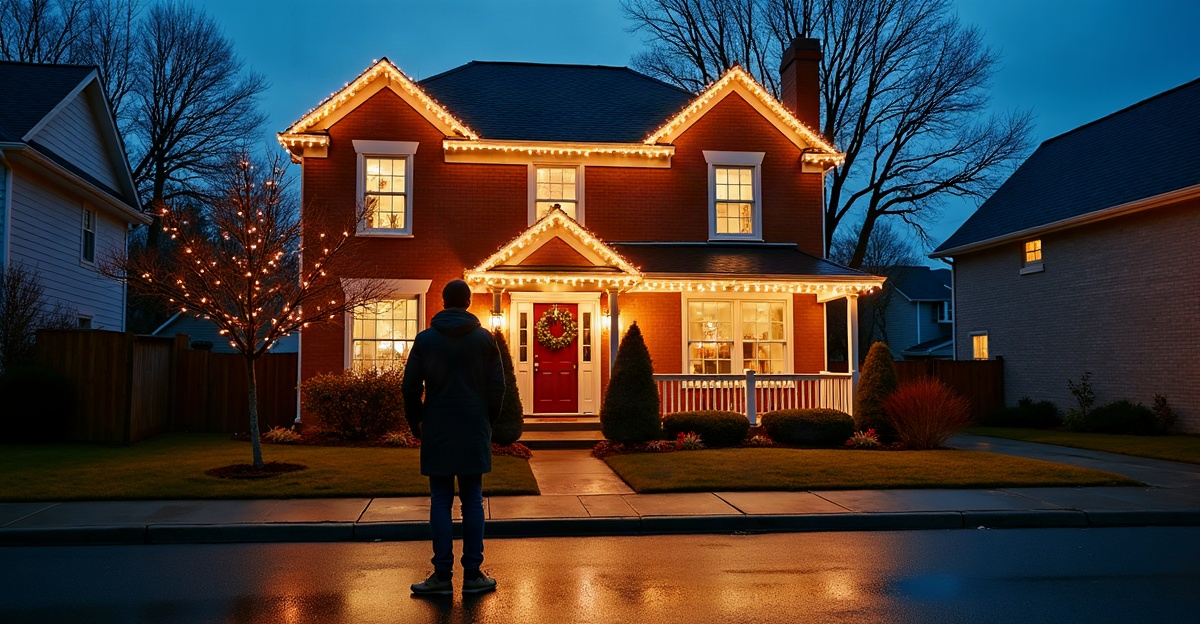
Can Outdoor Christmas Lights Get Wet? Safety Tips
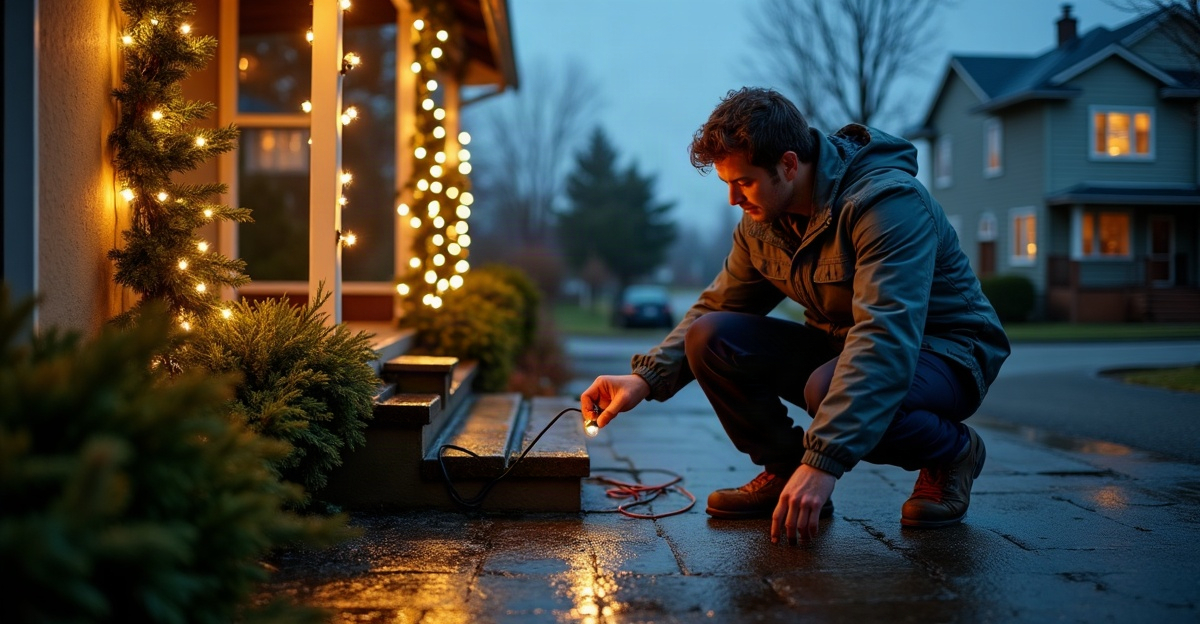
Outdoor Christmas lights can get wet. Outdoor-rated light strands can handle normal rain and snow if they remain undamaged. We recommend GFCI-protected power and elevated, protected connections. Water can enter plugs, outlets, timers, splitters, and extension-cord connections. This creates the greatest safety risk during Portland and Vancouver’s wet winters.
Key Takeaways
- Use outdoor-rated lights, extension cords, timers, splitters, and accessories for exterior displays.
- Connect lights to a working GFCI outlet. Use weatherproof covers where needed.
- Keep plugs and connections elevated. Protect them from puddles, snowmelt, roof runoff, and direct water exposure.
- Inspect light strands and power accessories before installation and after major storms. Replace damaged equipment instead of repairing cords.
- Turn off or unplug lights if we notice water intrusion, flickering, overheating, sparking, burning smells, or repeated GFCI trips.
The Short Answer: Outdoor-Rated Christmas Lights Can Handle Rain, With Important Conditions
Outdoor-rated Christmas lights can get wet in normal rain if the strands are undamaged, installed correctly, and connected to properly protected outdoor power. Safe operation depends on the light set’s rating, its condition, protected connections, a functioning GFCI outlet, and the manufacturer’s instructions.
Can outdoor Christmas lights get wet in rain? Usually, yes—but outdoor-rated does not automatically mean waterproof. Most light sets are made to handle routine outdoor moisture, not submersion, standing water, pressure washing, or constant exposure to water flowing directly into connections.
Indoor-only light strands should never go outside. For products labeled “indoor/outdoor,” check the packaging, product label, and manufacturer directions before installation. “Indoor/outdoor” and “outdoor only” can have different approved uses and installation requirements.
Portland, Oregon, and Vancouver, Washington often see rain, wind, snow, and freezing temperatures during the decorating season. Those conditions make secure mounting and protected power connections especially important. Water on the bulbs or LED nodes is usually less concerning than water entering a plug, outlet, extension-cord connection, timer, or splitter.
Choose the Right Lights, Outlets, and Weather-Protected Connections
Plugs and power connections create the biggest wet-weather concern in most holiday displays. Use outdoor-rated lights, extension cords, timers, splitters, and accessories from end to end. Indoor power strips, damaged adapters, and light-duty cords do not belong in an exterior setup.
Look for products with an appropriate third-party safety listing, such as UL Solutions or ETL. That listing matters, but the manufacturer’s instructions still determine where and how a product can be used.
Outdoor Christmas lights should connect to a working GFCI-protected receptacle. A ground-fault circuit interrupter, or GFCI, helps shut off power when it detects a ground fault. It adds valuable protection, though it does not make an unsafe installation safe. Damaged equipment, overloaded circuits, standing water, and exposed connections still need immediate correction.
Use weatherproof in-use outlet covers where appropriate. Keep every plug connection elevated above the ground and away from puddles, snowmelt, roof runoff, and irrigation. Manufacturer-approved weatherproof connection covers can provide added protection at extension-cord and light-strand connections.
Avoid stretching cords tightly or leaving them where they can be stepped on. Raise and secure cords where practical without creating trip hazards or putting strain on plugs. Follow the light manufacturer’s maximum end-to-end connection guidance, and never overload a circuit by daisy-chaining excessive strands, splitters, or adapters.
For homeowners who prefer a cleaner seasonal display with professional installation and removal, our seasonal Christmas light installation service eliminates much of the annual cord and connection handling.
Inspect Lights Before Installation and After Every Major Storm
A quick inspection before installation can prevent a frustrating outage or a dangerous electrical problem. Testing each strand on the ground is easier and safer than troubleshooting after it is mounted along a roofline.
Seasonal and Post-Storm Safety Checklist
Before installation, check the following items:
- Confirm every light strand is labeled for outdoor use.
- Test each strand before hanging it.
- Check wires for cracks, cuts, fraying, discoloration, brittleness, or exposed conductors.
- Look for loose bulbs, corroded sockets, broken plugs, damaged insulation, and missing ground pins.
- Inspect outdoor outlets, GFCI reset buttons, outlet covers, timers, extension cords, and connection covers.
- Replace damaged strands and accessories rather than attempting cord repairs.
After a major storm, turn lights off or unplug them if there is visible damage, water inside a connection, flickering, overheating, sparking, burning smells, or repeated GFCI trips. Never keep resetting a tripped GFCI without finding the cause.
Disconnect equipment before allowing it to dry, then follow the manufacturer’s directions before reuse. Replace any compromised strands, cords, plugs, timers, splitters, and connection covers. Concerns involving the outlet, home wiring, repeated breaker trips, recurring GFCI trips, burning odors, or visible electrical damage require a qualified electrician.
Install Outdoor Christmas Lights Without Creating New Hazards
Use purpose-made light clips for gutters, shingles, siding, eaves, and other approved surfaces. These clips hold strands securely without harming the wire insulation or the home’s exterior.
Never use staples, nails, screws, or fasteners that can pierce, pinch, or crush a cord. Even a small puncture can let moisture reach electrical components and create a failure point.
Keep cords clear of doors and windows that could crush them. Avoid routing cords through standing water, across walkways, or through places where vehicles, gates, or outdoor furniture may damage them. Also avoid touching plugged-in lights, cords, and electrical connections with wet hands.
Roofline installations require the same care as any ladder project. Set ladders on firm, level ground and avoid working during high winds, heavy rain, icy conditions, or lightning. Stay well clear of overhead power lines, and have another adult nearby when practical.
Manufacturer instructions and applicable local electrical requirements always take priority. This guidance supports safer decorating practices, but it does not replace an electrical-code inspection or professional electrical service.
When to Unplug Outdoor Christmas Lights During Rain, Snow, or Freezing Weather
Should you unplug outdoor Christmas lights when it rains? Intact outdoor-rated lights that are correctly installed can typically remain on during ordinary rain. Rain alone does not always require unplugging a safe, dry, protected setup.
Turn off or unplug lights when there is water intrusion at a connection, visible wire or plug damage, flickering, overheating, sparking, burning smells, or repeated GFCI tripping. These warning signs call for inspection and replacement, not repeated resets.
Can indoor/outdoor Christmas lights get wet? They can generally handle moisture within the limits stated by the manufacturer. That does not mean every part of the system can sit in water. An outdoor extension-cord connection that gets wet can trip the GFCI or create a safety concern, especially if water enters a plug, splitter, timer, or outlet cover.
Outdoor-rated lights can also remain outside in normal snow conditions when installed correctly. However, plugs and connections should never sit in melting snow, pooled water, or runoff from a roof or gutter. Elevate and shield all connections, use weather-rated accessories and covers, and inspect the setup after storms.
A GFCI that keeps tripping often signals moisture in a connection, damaged equipment, circuit overload, or an outlet problem. Stop using the display until the cause has been addressed. For additional common questions, review our permanent lighting FAQs.
Traditional Christmas Lights vs. Permanent Exterior LED Lighting
Temporary Christmas lights remain a great choice for homeowners who enjoy changing their display every season. They work well when you are ready to inspect strands, hang them safely, protect connections, remove them after the holidays, and store them properly.
Permanent exterior LED lighting offers a practical alternative for homeowners who want year-round accent, holiday, and security lighting without repeating the full seasonal setup process. A professionally installed system can reduce recurring ladder use, temporary cord handling, and seasonal connection exposure while providing customizable colors and lighting patterns.
Permanent lighting still needs proper installation, weather-appropriate components, manufacturer-recommended maintenance, and occasional inspection. Quality installation matters because the system must fit the home’s roofline, power access, and exterior layout safely and cleanly.
Permanent Lighting PDX provides permanent outdoor lighting for Portland and Vancouver-area homes. We can help create a polished lighting plan that supports holidays, special events, everyday curb appeal, and exterior visibility throughout the year. To discuss options for your home, request a free design mockup or request a local installation quote.