Can You Cut Permanent Outdoor Lights: What to Know?
Permanent outdoor lights can be cut only at manufacturer-approved points. We recommend confirming the system’s modular design, wiring, controller needs, and warranty terms first. Before we shorten a light run, trim a track, or repair a section, we should verify compatibility. This protects weather resistance, dependable performance, and a clean roofline finish.
Key Takeaways
- We should cut or modify permanent outdoor lights only when the manufacturer specifically permits it.
- A mounting track may allow adjustment even if the LED light run does not support cutting.
- Modifications can affect power distribution, data signals, controller programming, lighting zones, and color consistency.
- Unapproved cuts or splices can weaken sealed connections and void warranty coverage.
- We recommend a professional assessment for hardwired, high-voltage, roofline-mounted, or warranty-covered systems.
The Short Answer: It Depends on Your Permanent Lighting System
Can you cut permanent outdoor lights? Sometimes, but only if the exact product design and manufacturer guidance allow it. We recommend confirming the system’s approved cut points, wiring layout, controller requirements, and warranty terms before any part of the installation is changed.
Some permanent outdoor lights can be cut, shortened, adjusted, or repaired. Others cannot. A system may use manufacturer-designated cut points, modular light sections, or approved extensions that make changes possible. Another system may be factory-sized, sealed, proprietary, or dependent on a specific controller and wiring configuration.
The answer to whether you can cut outdoor permanent lights depends on several factors: the brand and product line, low- or high-voltage design, power and data wiring, controller programming, mounting method, and existing warranty coverage. LED technology alone does not mean a system is cuttable.
For a safe, reliable result, we follow the manufacturer’s written instructions and assess the complete installation before making changes. This protects the lighting performance, weather resistance, and clean appearance that make permanent outdoor lighting a long-term upgrade.
What “Cutting the Lights” Can Actually Mean
“Cutting the lights” can describe several very different changes. Each has its own compatibility rules and risks.
A light run is the connected length of LED lights installed along a roofline, gable, soffit, or other architectural feature. The mounting track, aluminum channel, or trim holds the lights in position and helps conceal the installation. A controller powers the system, communicates with the lights, and manages colors, schedules, zones, and effects. A weather-rated splice is a manufacturer-compatible outdoor connection that helps protect wiring from moisture.
Homeowners may be referring to cutting or shortening an LED light run, trimming a mounting track, removing a complete modular segment, cutting power or data wiring, or repairing a damaged section or connector.
Those changes are not interchangeable. A mounting track may be adjustable even when the LED light string cannot be shortened. A system may allow removal of a complete modular segment while prohibiting wire cuts. Likewise, a repair may require a compatible replacement module rather than a new splice.
Portland–Vancouver weather makes this distinction especially important. Roofline lighting faces steady rain, wind, temperature shifts, and moisture exposure. Any approved modification must preserve sealed connections, secure mounting, and a finished look that blends with the home.
When Cutting or Adjusting Permanent Outdoor Lights May Be Possible
Permanent outdoor lights may be adjusted when the manufacturer provides designated cut points, approved modular sections, compatible extensions, or an installer-approved way to modify the track or channel.
An assessment may support an approved adjustment in several common situations. A new installation may have extra length at the end of a roofline. A dormer, gable, or architectural detail may require a revised layout. A homeowner may want to relocate a section, remove an area of lighting, or expand the system after a remodel. Reroofing can also affect mounting locations and require the lights to be removed, reinstalled, or reconfigured.
A compatible system may support added light runs, revised zones, or controller reprogramming. If a section is damaged, we may be able to repair or replace the affected component rather than replace the entire installation.
Professionally installed lighting is not automatically nonmodifiable. Many quality systems can be expanded, repaired, adjusted, and reprogrammed with compatible parts and correct installation methods. The original installer is often in the best position to evaluate the product, existing design, mounting conditions, controller setup, and warranty coverage.
For seasonal display flexibility with permanent installation quality, our permanent Christmas lights service can help homeowners plan a system that fits rooflines cleanly from the start.
When You Should Not Cut the System
We don’t recommend cutting a permanent lighting system if the product manual does not specifically permit it. The same applies to sealed or proprietary components, hardwired systems, high-voltage wiring, and installations where power or data connections run through the section in question.
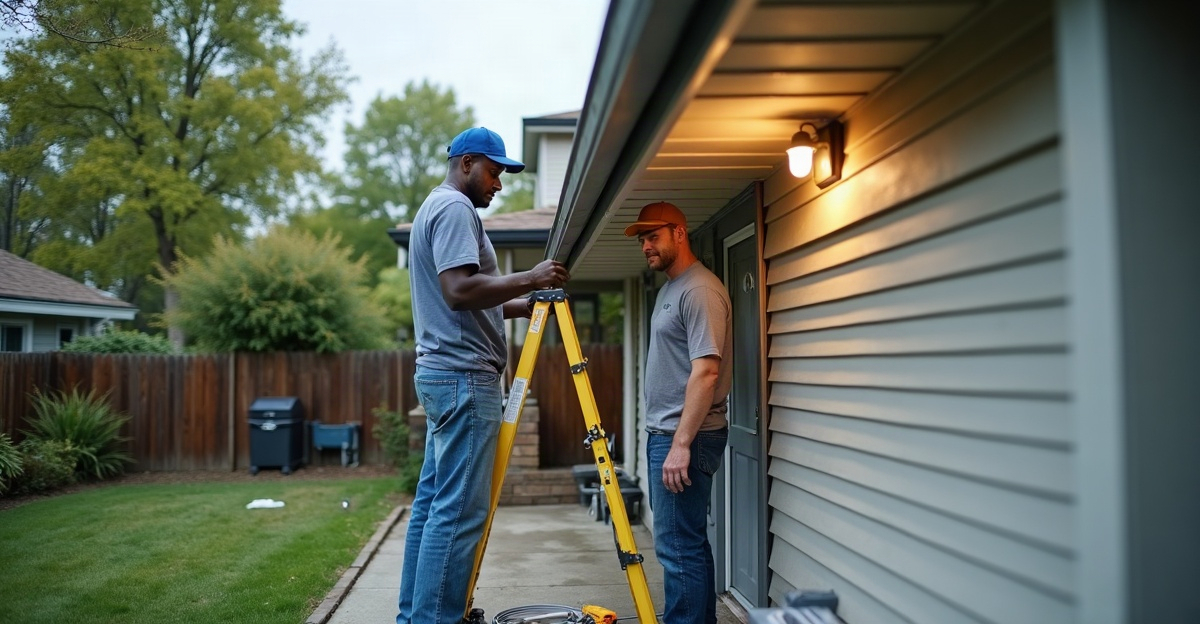
Roofline-mounted systems also create access risks. Working near eaves, steep slopes, or elevated gables without proper equipment can lead to injuries or damage to the home. Hardwired, high-voltage, warranty-covered, and professionally installed systems should be evaluated by the original installer or another qualified professional before any changes are attempted.
Unauthorized modifications can create problems that may not appear immediately. Risks include compromised weather resistance, water intrusion, damaged insulation, failed connectors, nonfunctioning lights, and interrupted power or data signals. A change can also affect voltage distribution, system capacity, controller operation, animation zones, and color consistency across the run.
Poorly sealed changes are especially vulnerable during Pacific Northwest rain. Outdoor connections require manufacturer-compatible, weather-rated components and must meet applicable electrical requirements. We avoid guessing with wiring, splices, or controller settings because the correct process depends on the specific model and installation.
What to Check Before Modifying Your Lighting
Before deciding whether your permanent outdoor lights can be cut, we recommend collecting the system details first. This step can prevent unnecessary damage, warranty issues, and costly replacement work.
Pre-Modification Checklist
Review these items before planning a change:
- Identify the lighting brand, model, and controller.
- Locate the installation manual and manufacturer guidance.
- Verify approved cut points, modular segments, and extension options.
- Determine whether the system is hardwired or plug-in.
- Review manufacturer and installer warranty terms.
- Confirm whether the change affects the power supply, controller, data wiring, or supported number of lights on the run.
- Contact the original installer or manufacturer if any detail is unclear.
Removing a segment or shortening a run can affect power distribution and voltage drop. It may also change controller programming, animation zones, and the number of lights the system can support. Even a small physical adjustment may require software changes for smooth, consistent operation.
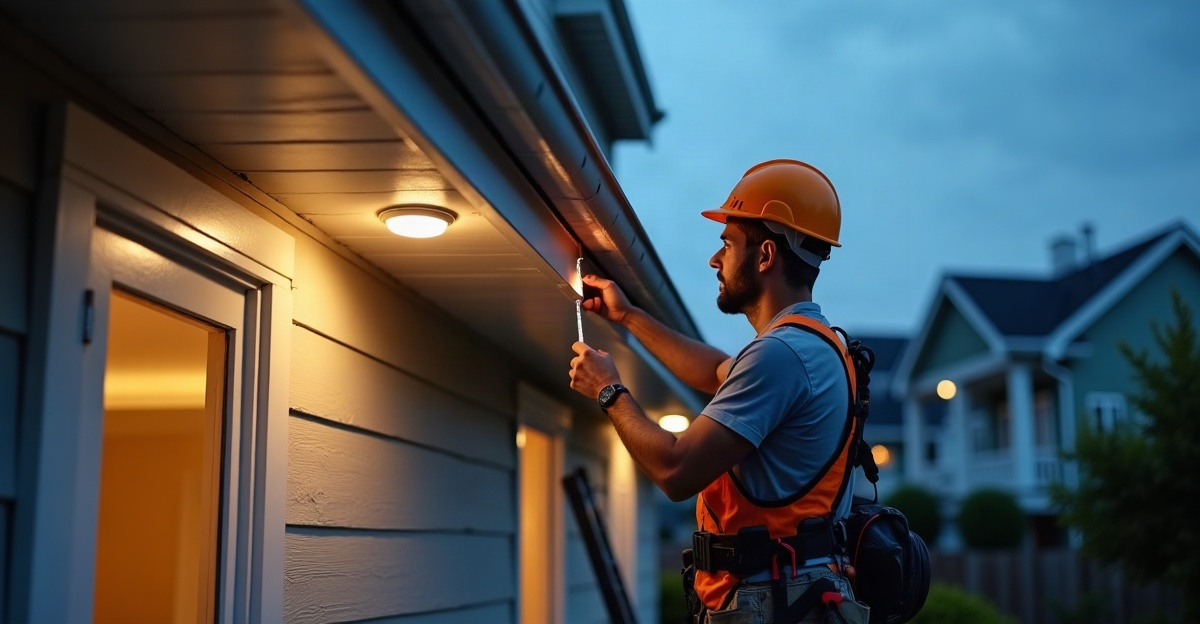
A professional review helps retain the benefits homeowners expect from permanent lighting: crisp roofline alignment, dependable smart controls, sealed connections, and durable performance through wet weather. Our lighting installation process focuses on proper planning, compatible components, and a clean finish from the initial layout through final programming.
Common Questions About Cutting Permanent Outdoor Lights
Can You Cut Permanent Outdoor Lights to Fit a Roofline?
Sometimes. Whether a light run can be shortened depends on approved cut points, modular design, wiring configuration, and manufacturer instructions. We can assess extra length or an architectural change without relying on guesswork.
Can You Cut the Track or Channel but Not the Light String?
In some systems, yes. The mounting track, aluminum channel, or trim may be adjustable separately from the LED light run. The product manual and installer should confirm exactly which parts can be modified.
Can Permanent Outdoor Lights Be Repaired If One Section Stops Working?
Often, yes. A damaged module, connector, wire, or section may be repairable or replaceable with compatible parts. We recommend identifying the cause before altering the system, since the issue could involve the controller, power supply, connection, or individual light segment.
Will Cutting Permanent Lights Void the Warranty?
Unauthorized alterations may void manufacturer or installer warranties. Review the warranty documentation before modifying any permanently installed lighting. The answer to whether you can cut permanent outdoor lights should always include a warranty check.
Should We Call the Original Installer to Modify a Lighting System?
Yes, especially for professionally installed, hardwired, roofline-mounted, high-voltage, or warranty-covered systems. The original installer can evaluate compatibility, current design, mounting conditions, and warranty coverage before recommending a solution.
Homeowners in Portland, Vancouver, and nearby communities who are unsure whether their lighting can be safely adjusted can request a professional assessment, repair evaluation, design consultation, or installation quote from Permanent Lighting PDX through our contact page.