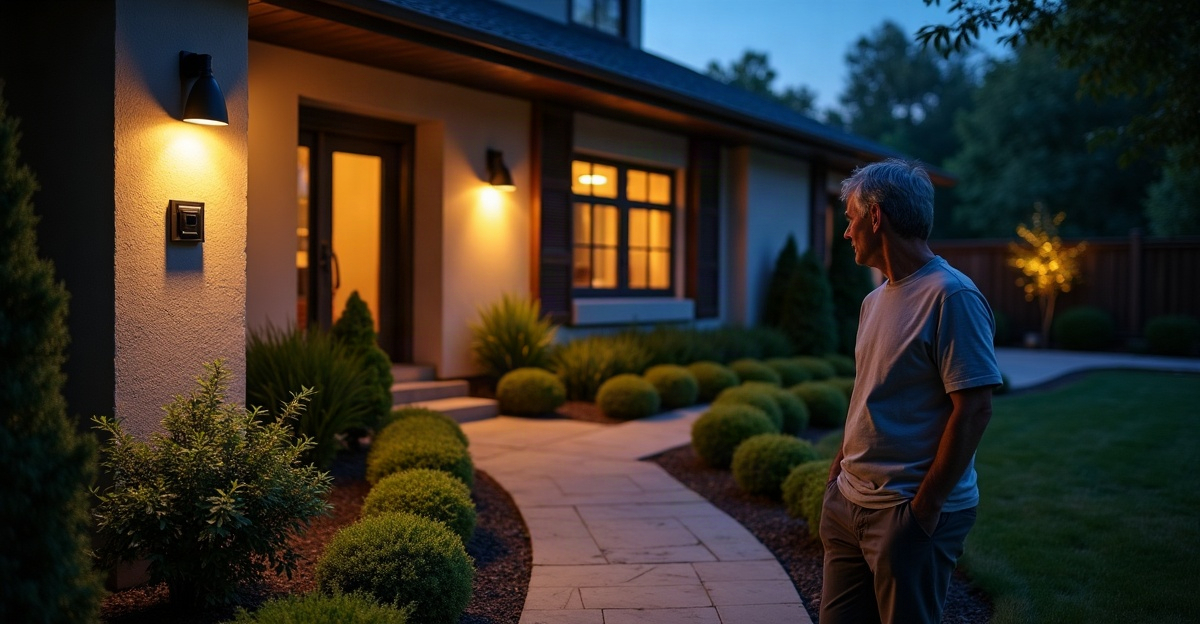
Should You Leave Your Outdoor Lights On All Night?
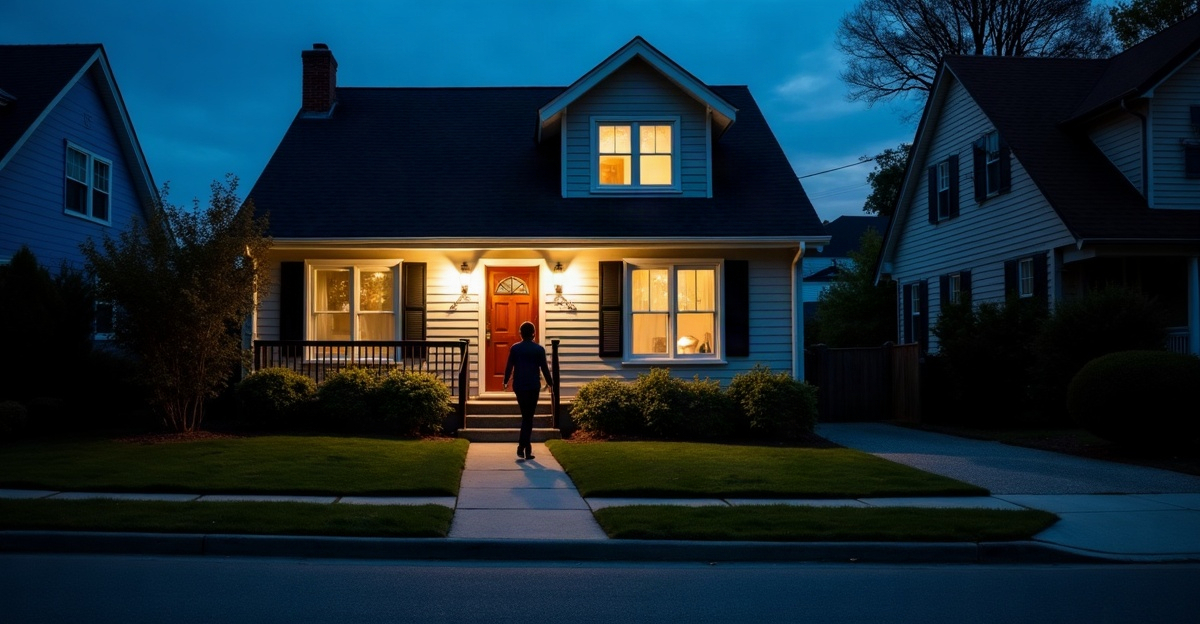
Whether we leave outdoor lights on overnight depends on each fixture’s purpose. Low-level lighting near entries, paths, steps, and driveways can improve nighttime visibility. We should use brighter security and decorative lights selectively. Motion sensors, schedules, dimming, and zones reduce glare, energy use, and light spill onto neighboring properties.
Key Takeaways
- Leave low-output, shielded lights on near doors, walkways, stairs, and other areas that need safe nighttime access.
- Use motion sensors or schedules for bright security lights near side gates, detached garages, and driveways. Avoid running floodlights all night.
- Choose downward-facing fixtures with warm, dimmed light. This approach limits glare, light trespass, and nighttime disruption.
- LEDs use less energy than older bulbs. Still, multiple fixtures running all night can increase electricity costs.
- Permanent smart LED systems give us flexible control through app-based schedules, zones, dimming, and adjustable brightness.
The Short Answer: Use Targeted Light, Not Every Light All Night
The answer to “should you leave your outdoor lights on all night” is usually no: leave only the lights that provide a clear overnight benefit. Low-output, properly aimed lighting near doors, paths, steps, driveways, and side yards can support safer movement after dark.
Bright floodlights and decorative displays rarely need to operate continuously. The right approach depends on each fixture’s purpose, brightness, placement, control options, energy use, and the surrounding property. Outdoor lighting may improve visibility and may help deter opportunistic activity, but it cannot guarantee prevention of theft, trespassing, or other crime.
For Portland and Vancouver homes, darker Pacific Northwest winter evenings make low-level exterior lighting especially helpful for arrivals, dog walks, and navigating wet walkways. Homeowners deciding whether to leave outdoor lights on all night should prioritize useful visibility over blanket brightness.
When Overnight Outdoor Lighting Makes Sense
Entry and porch lights often make sense overnight when set to low or moderate brightness. A front door, back door, garage entry, or mailbox area should remain easy to identify without creating glare across the yard or street.
Pathway and step lights also serve a practical purpose after dark. They help define walkways, stairs, driveway edges, and uneven landscape areas. These fixtures work best when they create a consistent, low-level path rather than isolated pools of harsh light.
Security lighting deserves a more selective plan. Side gates, detached garages, long driveways, and less-visible areas may need added illumination, but motion activation or scheduled operation usually works better than running high-output floodlights all night. Brighter is not always better. Excessive output can create glare, slow eye adjustment, cast deeper shadows beyond the lit area, waste electricity, and disturb nearby homes.
We recommend shielded, downward-facing fixtures aimed only at the space that needs light. This approach keeps the property more usable while limiting spill into windows, streets, and neighboring yards.
Permanent smart LEDs can also support low-level architectural accenting, pathway visibility, entertaining, seasonal displays, and scheduled overnight lighting. A professional permanent outdoor lighting plan makes it easier to match each zone to its actual purpose.
When to Use a Sensor, Schedule, or Turn Lights Off
A layered setup offers the best balance of convenience, visibility, and energy control. We often recommend low-level pathway or entry lighting through the night, paired with brighter motion-triggered lighting near side gates, detached garages, or driveways.
Quick Overnight Lighting Checklist
Use this guide to decide which fixtures should stay active:
- Leave On: Low-level entry, porch, pathway, and step lights that provide useful all-night visibility.
- Use a Sensor or Schedule: Security lights near side gates and driveways, brighter entry lights, architectural lighting, and permanent smart LED zones.
- Turn Off Overnight: Unnecessarily bright floodlights, decorative lighting without an overnight purpose, and any fixture causing glare or light trespass.
Controls reduce unnecessary runtime without giving up useful nighttime visibility. Dusk-to-dawn photocells turn lights on at night and off in daylight. Timers use a fixed on-and-off period, which works well for porch lights or evening entertaining areas.
Smart schedules allow adjustments by time, day, season, or household routine. Dimmers lower output when full brightness is not needed. Zoning separates areas such as entry lights, driveway fixtures, and architectural accents so each area can operate independently. Motion sensors activate brighter security lighting only when activity occurs.
This targeted approach answers the question, “should you leave outdoor lights on all night,” with a practical middle ground: leave useful low-level lighting on, automate brighter fixtures, and turn off lights that do not serve a purpose.
Energy Use: LEDs Cost Less to Run, but All-Night Operation Still Adds Up
LED fixtures generally use far less electricity than incandescent or halogen bulbs. Even so, any fixture left on continuously uses power. The total depends on fixture wattage, the number of lights, operating hours, dimming levels, and local electricity rates.
A 10-watt LED operating for 12 hours uses about 0.12 kWh per night. Multiply that amount by the number of fixtures and your local electricity rate to estimate cost.
For example, 10 fixtures at 10 watts each running for 12 hours use approximately 1.2 kWh per night. This is an estimate, since electricity rates, fixture wattage, and operating hours vary.
Efficient LEDs make overnight lighting more manageable, especially when combined with lower brightness settings, dimming, zoning, and schedules. Still, a low-wattage pathway light and a high-output security floodlight serve very different roles. High-output security fixtures should not be used where a small porch, path, or step light provides enough visibility.
If homeowners plan to leave their outdoor lights on all night, LED technology and automation help control operating costs without sacrificing safety around key access areas.
Prevent Glare, Light Trespass, and Unnecessary Nighttime Disruption
Light trespass happens when outdoor lighting spills into neighboring windows, streets, shared driveways, or other places where it is not wanted. It often results from exposed bulbs, poorly aimed floodlights, or fixtures that are much brighter than the area requires.
Effective outdoor lighting uses only the amount of light needed for the task. Warm color temperatures are often a comfortable choice for entries, pathways, patios, and residential architectural accents. Direct fixtures downward, shield bulbs from direct view, and turn off decorative lighting that has no useful overnight role.
Before deciding to leave outdoor lights on all night, consider nearby bedrooms, neighboring homes, shared access areas, and street-facing fixtures. Unnecessary nighttime lighting can affect wildlife and disrupt the nighttime environment. Limiting excess light helps reduce those effects while keeping the property functional.
Targeted, shielded lighting generally improves real-world usability better than oversized, poorly aimed floodlights. A calm, evenly lit entry or pathway gives homeowners better visual guidance than a bright fixture that creates glare and dark contrast beyond its beam.
Permanent Smart LED Lighting for Flexible, Year-Round Control
Permanent smart LED lighting is a flexible option for homeowners who want greater control without seasonal installation and removal. It works well for pathway visibility, entry illumination, architectural accenting, outdoor entertaining, seasonal color changes, and scheduled overnight lighting.
App-based controls allow homeowners to set schedules, create zones, dim output, and customize colors. Low-level lighting can stay active overnight while brighter settings remain available for arrivals, gatherings, or motion-triggered needs. This creates a more intentional plan than leaving every exterior light on at full output.
Professionally installed systems also help address fixture placement, brightness, zoning, scheduling, and architectural appeal from the beginning. Our year-round accent and security lighting service can combine practical navigation lighting with flexible, controlled exterior illumination.
Homeowners in Portland, Vancouver, and nearby communities can request a free lighting design mockup or consultation to discuss fixture placement, zoning, brightness, scheduling, and permanent smart LED installation options. Contact us through our lighting consultation page to start planning.
Common Questions About Overnight Outdoor Lighting
Is It Better to Leave Porch Lights On All Night?
A low-level porch light can be useful all night if it helps identify an entry and navigate steps safely. Use a shielded LED fixture or dimmed setting rather than a bright, exposed bulb.
Do Outdoor Lights Use a Lot of Electricity Overnight?
LED lights use relatively little electricity compared with older bulb types, but multiple fixtures and long operating hours add up. Dimming, schedules, and motion sensors reduce unnecessary use.
Are Motion-Sensor Lights Better Than Leaving Floodlights On?
Motion-sensor lights are often the better choice for high-output security lighting. They provide illumination when activity occurs without creating constant glare or continuous energy use.
What Color Temperature Is Best for Outdoor Lighting at Night?
Warm color temperatures often work well for residential paths, porches, patios, and architectural features. The best choice depends on the fixture’s purpose, desired appearance, and surrounding homes.
Can Permanent LED Lights Be Dimmed or Scheduled?
Many permanent smart LED systems support dimming, scheduling, zoning, and app-based control. These features let homeowners use subtle overnight illumination while reserving brighter settings for specific needs.