Color Temperature for Outdoor Lighting: Best Options
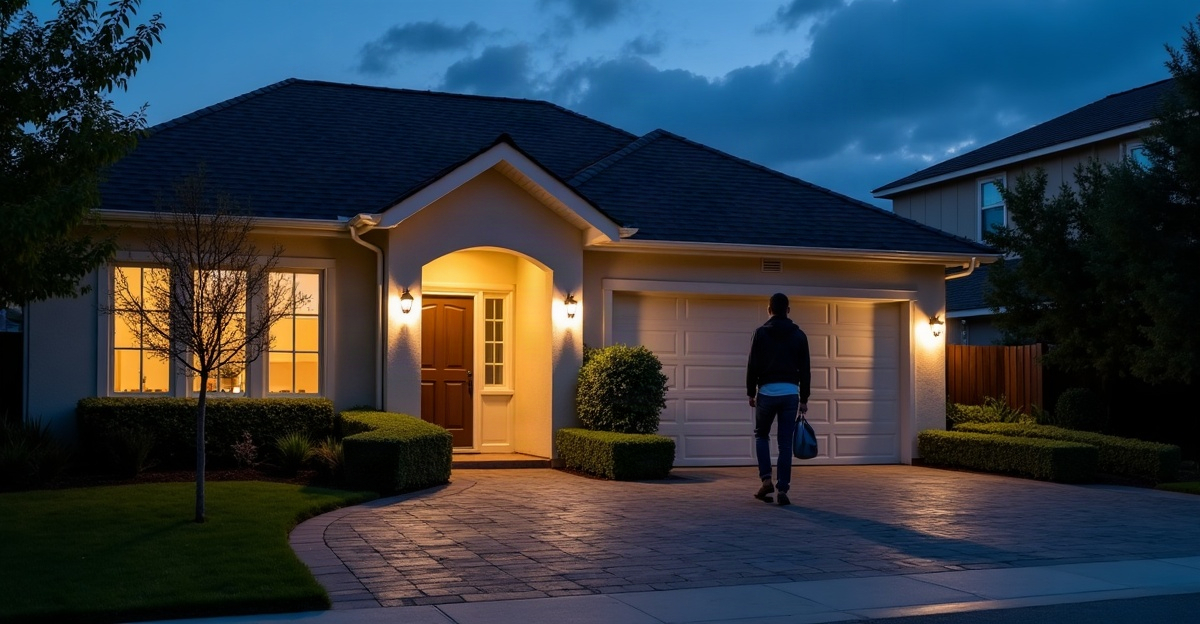
For most homes, we recommend 2700K–3000K for outdoor lighting. This range creates a warm, welcoming look around entries, pathways, landscaping, soffits, and rooflines. We use 3000K–4000K selectively for garages, side yards, and security areas that need clearer task visibility without harsh blue light.
Key Takeaways
- We recommend 2700K–3000K warm white as the most versatile range for residential curb appeal and daily exterior lighting.
- We use 2200K–2700K for cozy patios, porches, gardens, and traditional home styles.
- We reserve 3500K–4000K neutral white for practical areas, including garages, driveways, side yards, and utility spaces.
- We avoid 5000K and higher in most residential settings because these temperatures can cause glare and give siding, pavement, and landscaping a blue cast.
- We coordinate nearby fixtures, aim lights downward, add shielding, and use timers, dimmers, or motion sensors for comfortable, responsible lighting.
What Color Temperature Is Best for Outdoor Lighting?
We recommend 2700K–3000K as the most versatile, welcoming color temperature for outdoor lighting at most residential properties. A 3000K setting is often the safest all-around choice for a polished exterior, though the ideal result still depends on fixture placement, home style, exterior materials, nearby homes, and the purpose of each light.
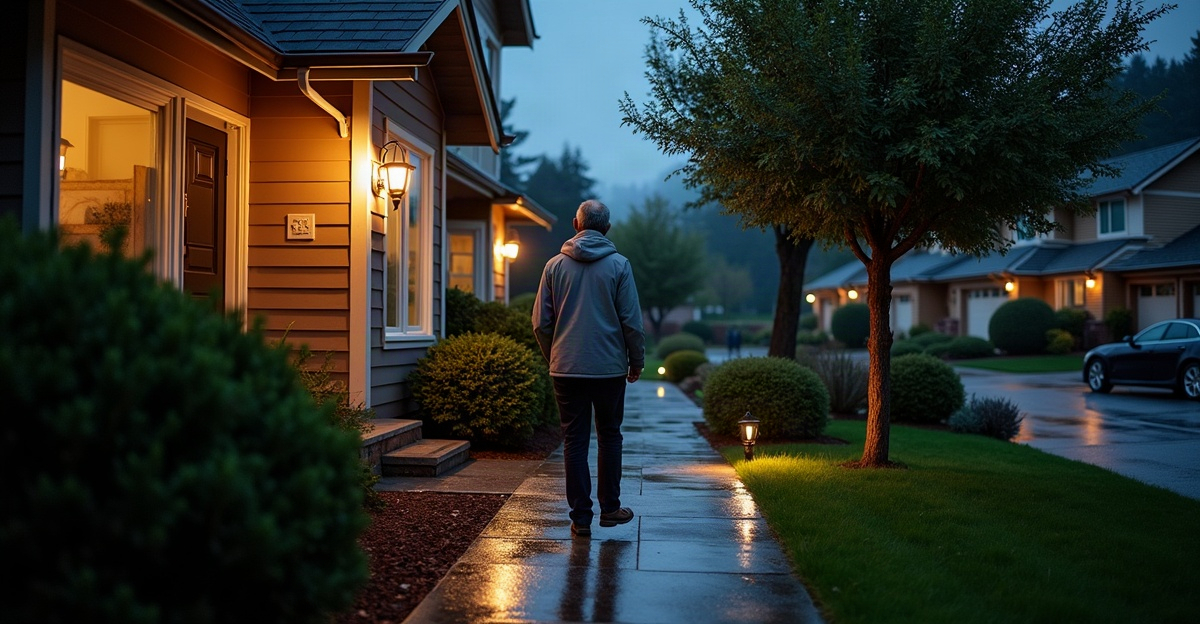
For color temperature for outdoor lighting, warm white creates comfortable curb appeal without making the property feel dim. It works well across entryways, pathways, landscaping, soffits, and rooflines. In darker Portland, Oregon, and Vancouver, Washington winters, layered and well-aimed lighting improves daily navigation and visual appeal without overwhelming neighboring properties.
We typically use 3000K–4000K in select functional areas, such as garages, side yards, and utility spaces, where perceived visibility matters more. Temperatures above 4000K require care. Cool light can look stark, create glare, and cast a bluish appearance across siding, plants, and pavement.
Understanding Kelvin: Warm vs. Cool Outdoor Light
Kelvin, shown as K, measures the visual appearance of white light. Lower Kelvin ratings look warmer and more golden. Higher ratings look cooler, whiter, and eventually bluish.
Kelvin does not measure brightness. Lumens measure light output, while wattage measures energy use. Beam angle determines how broadly a fixture spreads light. Dimming, scheduling, motion sensors, shielding, and fixture aiming all affect how the lighting performs after installation.
Energy efficiency depends far more on LED quality, wattage, controls, runtime, and overall system design than on Kelvin alone. A properly designed 3000K LED system can provide excellent visibility while using energy responsibly.
| Kelvin range | Appearance | Best outdoor uses | Benefits | Considerations |
|---|---|---|---|---|
| 2200K–2700K | Very warm, cozy, classic | Front porches, patios, historic homes, garden spaces, hospitality-focused areas | Inviting atmosphere and soft visual comfort | May feel too amber for modern task areas |
| 2700K–3000K | Warm white | Entryways, pathways, soffits, rooflines, landscape accents, architectural lighting | Best default range for most residential exteriors | Coordinate nearby fixtures for a consistent appearance |
| 3500K–4000K | Neutral white | Garages, side yards, utility areas, task spaces, select security applications | Clearer perceived visibility for functional zones | Can feel less welcoming near entries and patios |
| 5000K+ | Cool or daylight white | Limited work or high-visibility applications | Bright-looking appearance for focused utility needs | Often too stark, glaring, or bluish for residential curb appeal |
Best Color Temperature by Outdoor Area
Different areas around a home call for different lighting goals. A consistent warm-white lighting plan usually creates the best visual flow, while functional areas can use a slightly cooler white where appropriate.
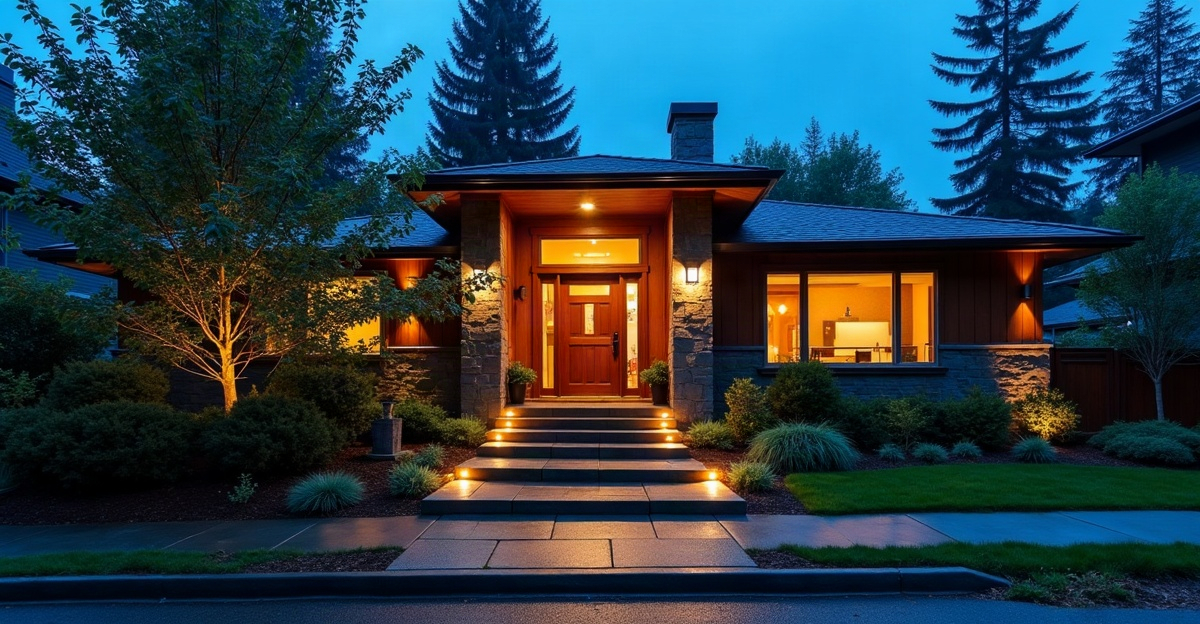
Front entries and porches perform best at 2700K–3000K. This range creates a welcoming first impression and flatters common exterior finishes, including paint, wood, brick, and stone.
Walkways and steps also benefit from 2700K–3000K. We recommend downward-directed fixtures that light the walking surface without shining into eyes. Patios and outdoor living areas can use 2200K–3000K for a relaxed evening atmosphere.
Landscape and architectural accents generally look best at 2700K–3000K. Choose 3000K when the goal is a cleaner, more defined contemporary appearance. Our landscape lighting plans balance plant illumination, architectural emphasis, and comfortable viewing angles.
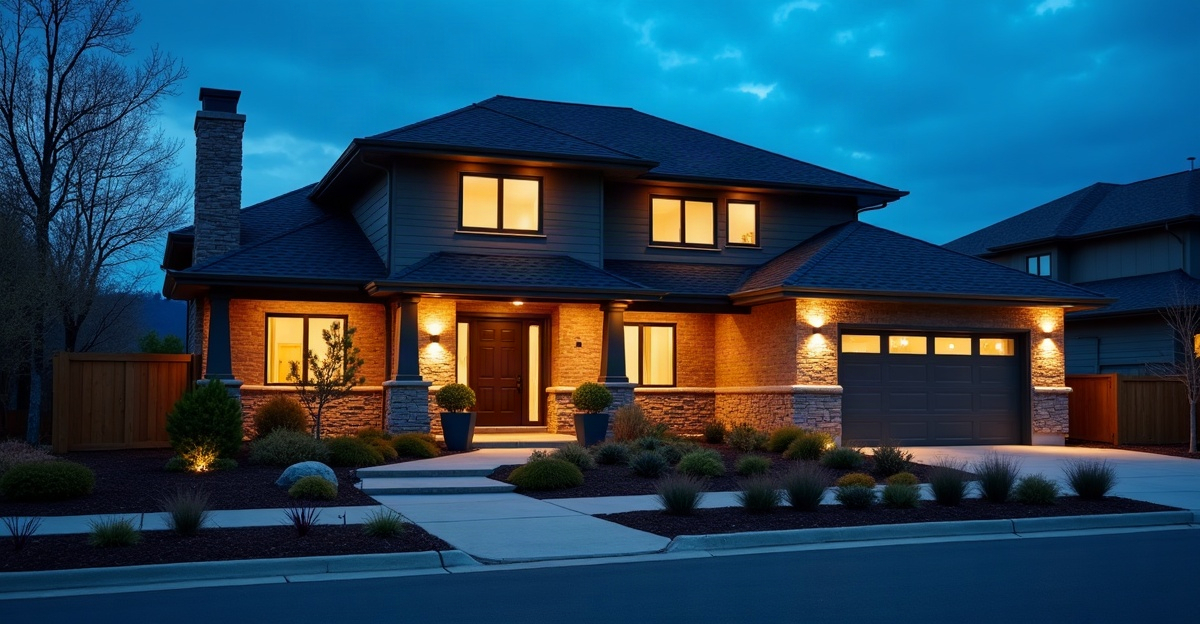
Soffit, roofline, and permanent holiday systems should use warm white around 2700K–3000K for everyday lighting. Our roofline lighting installations can provide consistent warm white for daily use, with programmable color options for special occasions.
Garages, driveways, and side yards can use 3000K–4000K depending on tasks, fixture aiming, and proximity to neighboring homes. Rather than relying on one very bright fixture, we recommend layered lighting. Entry, pathway, accent, and roofline fixtures can work together to prevent harsh hot spots and dark gaps.
Coordinate roofline, pathway, and accent lights during planning. Adjacent fixtures should not show visibly different white temperatures unless the contrast is intentional.
Best Color Temperature for Outdoor Flood Lighting and Security Areas
Best Color Temperature for Outdoor Flood Lighting
The best color temperature for outdoor flood lighting is usually 3000K–4000K. This range supports practical visibility while avoiding much of the harsh appearance associated with very cool lighting.
Security floodlights and decorative exterior lighting serve different roles, so they do not need the same Kelvin rating. A floodlight near a garage or side access point may benefit from 3500K or 4000K. A front entry, porch, or architectural feature usually looks better at 2700K or 3000K.
Cooler 5000K+ floodlights can seem brighter because the light appears whiter. That appearance can also create harsh glare, look blue on siding and landscaping, and disrupt nearby homes. Greater Kelvin does not automatically provide better security.
Lighting performance depends on fixture quality, lumen output, beam angle, placement, controls, runtime, and maintenance. We recommend motion sensors, properly aimed fixtures, and shielding before increasing color temperature or brightness. Aim floodlights down and away from streets, windows, and adjacent properties.
For work-focused areas, limited cooler-white lighting may make sense when visibility is the primary goal. Keep it contained, shielded, and directed only where needed. Our accent security lighting service helps balance visibility, curb appeal, and responsible light control.
Matching Light Color to Home Style, Materials, and Color Quality
Warm tones often complement wood, brick, natural stone, traditional architecture, and softer landscaping. A 2700K or 3000K light can bring out texture without making materials look washed out.
Neutral white can work well with contemporary facades, darker paint palettes, metal details, and utility-focused areas. A modern home may look especially crisp with 3000K architectural lighting and carefully placed 3500K garage or side-yard fixtures.
Color rendering index, or CRI, is another useful consideration. CRI describes how naturally colors and materials appear under a light source. We commonly recommend 80+ CRI or higher for front entries, siding, stonework, planting beds, and architectural details where natural-looking color matters.
Avoid mixing noticeably different white temperatures across fixtures that sit close together. A 2700K porch fixture next to a 5000K garage floodlight can make both areas look unplanned. For a major exterior update, test a sample fixture or review a professional lighting mockup, especially with dark paint colors or existing lighting that must remain in place. Our exterior lighting design process helps create a unified result before installation begins.
Smart Permanent Lighting, Responsible Use, and Professional Design Support
Smart permanent LED systems let us use warm white for everyday curb appeal and switch to colors for holidays, game days, and celebrations. System features vary, however. App controls, zone control, brightness range, white-light quality, and customization options differ by product and installation.
A professional plan keeps warm white consistent across the home and makes the architecture look intentional after dark. Rain-resistant fixtures, durable installation methods, and carefully planned controls are especially valuable in Pacific Northwest weather.
Responsible outdoor lighting also protects comfort for households and neighbors. We recommend shielded fixtures where possible, downward floodlight aiming, sensible brightness levels, and limited overnight runtime. Timers, schedules, dimming, motion sensors, and smart controls can reduce unnecessary light while keeping important areas visible.
Local codes, dark-sky guidance, and HOA requirements may also affect fixture selection and placement. A project image or design mockup can clearly show how warm white roofline, pathway, and accent lighting work together before work begins.
Not sure whether a property needs warm white architectural lighting, brighter security lighting, or a programmable permanent system? Request a free lighting consultation to determine what color temperature and placement will work best.