How to Choose Outdoor Lighting for Your Home?
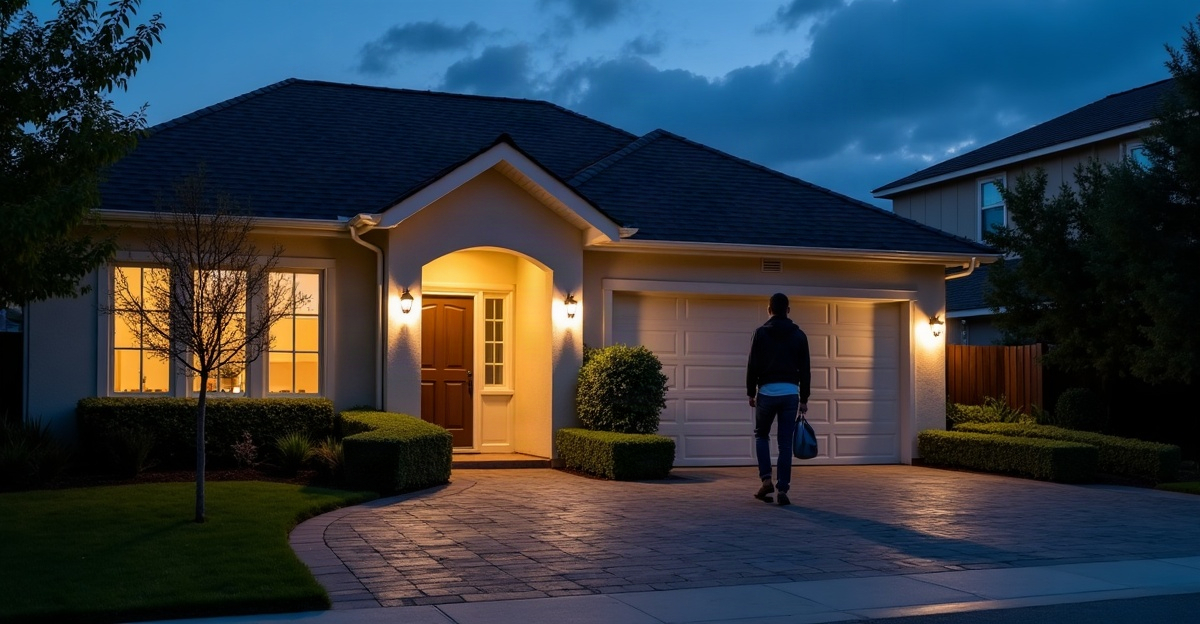
We begin outdoor lighting planning by matching each area—entries, walkways, driveways, patios, landscapes, and rooflines—to its safety, visibility, comfort, or visual needs. An effective system combines well-aimed fixtures, weather-ready materials, and practical controls. This approach delivers dependable illumination while limiting glare, dark spots, and excess energy use.
Key Takeaways
- We prioritize high-use areas, including front doors, steps, walkways, garage entries, driveways, and patios, before adding decorative accents.
- We match fixture types to each location. Entry fixtures create a welcoming view, while path and step lights support safe movement. Selective uplights and downlights highlight landscaping and architectural features.
- We focus on light direction, shielding, and consistent color temperature instead of choosing fixtures with higher lumen output alone.
- We choose corrosion-resistant fixtures and components that handle Portland and Vancouver rain and year-round outdoor exposure.
- We recommend timers, photocells, motion sensors, or smart controls for simple operation. Our professional installation services support hardwired, roofline, and larger whole-home lighting systems.
Choose Lighting Based on What Each Outdoor Area Needs
Start by defining what each exterior area needs to accomplish after dark. Safety lighting, security lighting, curb appeal lighting, task lighting, entertaining, landscaping, and seasonal displays each call for a different approach.
Outdoor lighting for home use is not interchangeable. A front entry needs clear, welcoming visibility. Steps and pathways need even illumination that helps prevent missteps. A patio needs comfortable ambient light, while rooflines and planting beds often benefit from subtle architectural accents.
Prioritize the places used most often at night: the front door, steps, walkways, driveway, garage entry, and patio. These locations create the strongest foundation for a useful lighting plan. From there, add outdoor lighting ideas that highlight architectural details, mature trees, garden beds, or entertaining areas.
Lighting can improve visibility around the property and may help discourage unwanted activity, but it cannot guarantee the prevention of crime or accidents. Effective security lighting depends on placement, coverage, controls, and reducing dark gaps without creating harsh glare.
Rather than installing one overly bright fixture, use layered lighting. Combine practical fixtures for movement and entry with decorative accents that add depth and visual appeal. This approach makes a home easier to use after sunset and creates a more polished appearance from the street.
Match Fixture Types to Entrances, Paths, Patios, Landscaping, and Rooflines
Fixture selection should follow the purpose and layout of each outdoor area. The right style, mounting height, and light direction matter as much as the fixture itself.
Lighting for Everyday Access and Outdoor Living
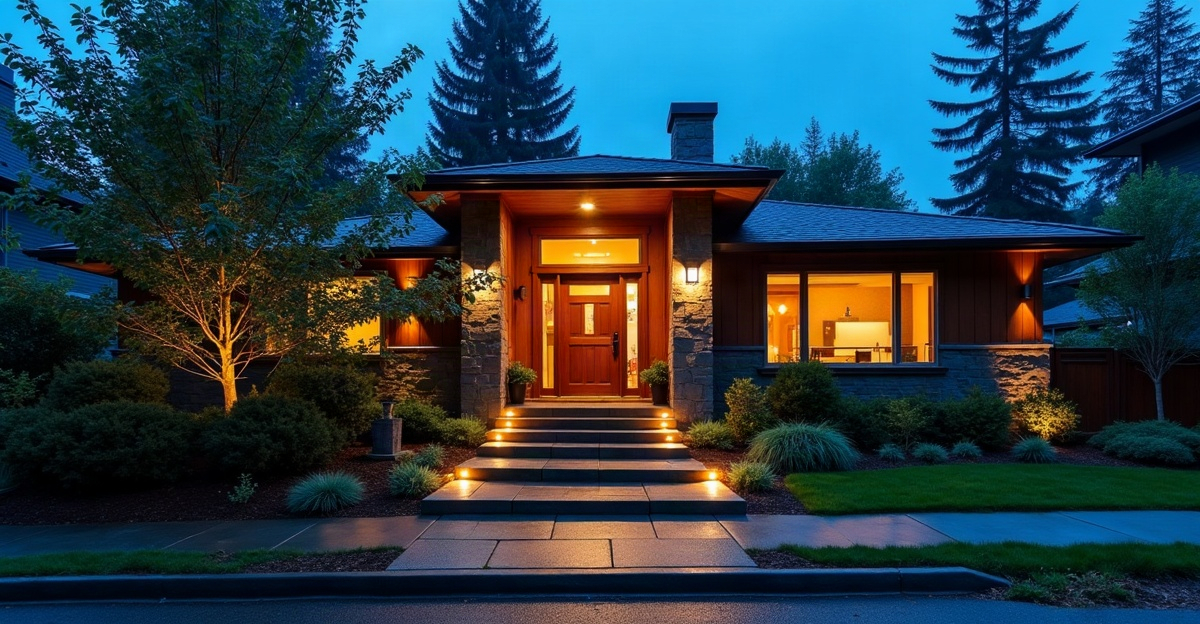
For entryways, porch lighting should make the front door easy to locate, unlock, and use. Wall sconces, porch lights, pendants, and flush-mount fixtures work well when sized for the doorway and positioned to light visitors without shining directly into their eyes.
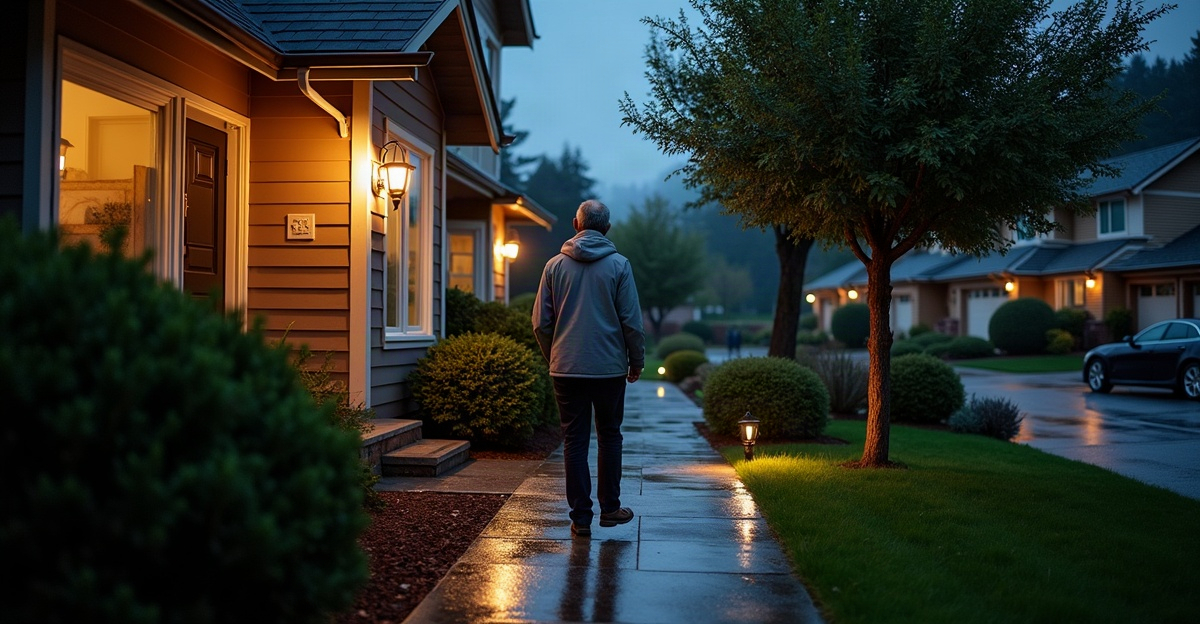
Pathway lighting should define a walking route rather than create a runway of bright points. Path lights, bollards, downlights, and step lights can mark edges and changes in elevation. Consistent spacing prevents abrupt transitions between bright spots and dark gaps.
Driveway lighting often combines wall fixtures, soffit lights, or motion-activated floodlights near garages and side entries. Well-aimed illumination helps with parking, unloading, and walking to the door without washing out the entire yard.
For patios and decks, layer several gentle sources. Patio lighting may include wall fixtures, string lights, subtle downlights, and post-cap lights. Deck lighting around steps, railings, and seating areas supports comfortable use while maintaining a relaxed atmosphere.
Accent Lighting for Landscapes and Rooflines
Landscape lighting can draw attention to trees, stonework, planting beds, and focal points. Spotlights, well lights, uplights, and downlights work best when aimed selectively. There is no need to light every corner of the landscape; contrast and shadow create a more natural result.
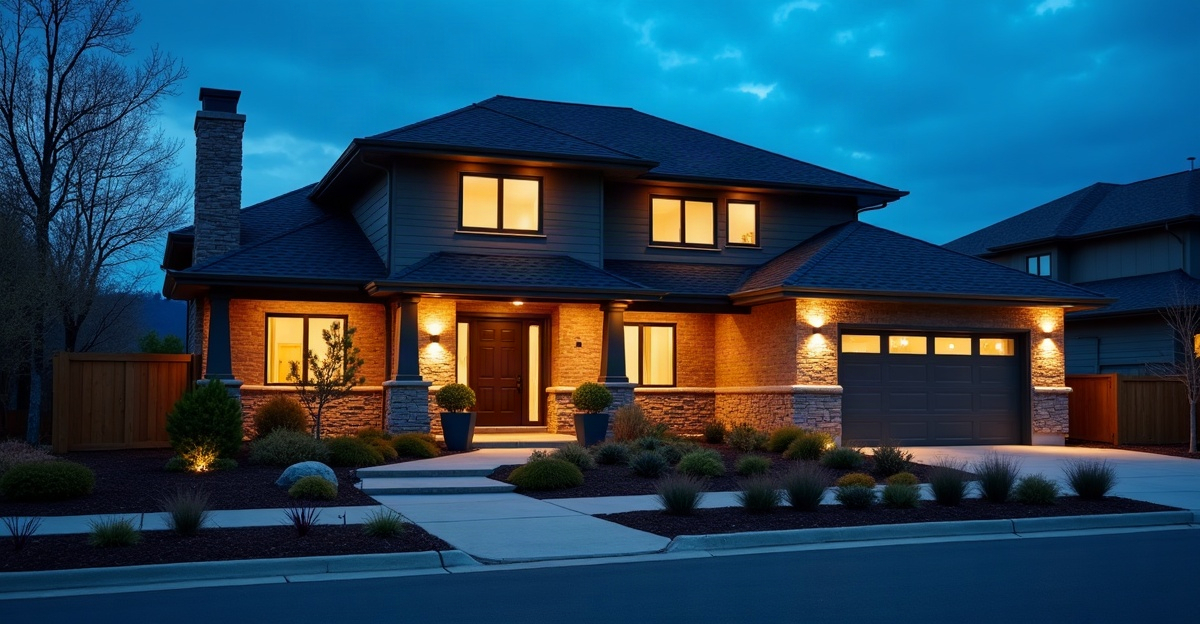
Roofline lighting adds definition to eaves, trim, and architectural lines. Permanent outdoor lighting provides white architectural accent lighting for daily use along with seasonal colors for holidays, events, and celebrations. This eliminates the repeated task of installing and removing temporary holiday lights.
For homes that need a complete visual plan, custom exterior lighting design helps align fixture placement, brightness, and color choices across the property.
Select the Right Brightness, Color Temperature, and Light Direction
Outdoor lighting lumens measure brightness. Higher lumens do not automatically create better visibility, stronger security, or better outdoor lighting. A poorly aimed bright light can create glare, deep shadows, and discomfort for residents, guests, and neighbors.
Placement, shielding, and direction usually matter more than simply adding brightness. Downward-facing fixtures and properly aimed spotlights keep light where it is useful. This creates glare-free outdoor lighting and limits spill into windows, neighboring homes, and the night sky.
Color temperature describes how warm or cool a white light appears. Warm white outdoor lights have a softer, slightly golden appearance and work especially well at entryways, patios, porches, and traditional exterior styles. Cooler white light can suit driveways, work areas, or locations where task visibility is the main goal.
Keep white-light settings cohesive across visible areas of the home. Mixing several noticeably different shades can make a well-planned property look disjointed. Decorative color-changing LEDs offer flexibility for holidays, school colors, events, and seasonal displays, while everyday settings should still provide comfortable visibility.
Dark-sky lighting practices also protect the surrounding environment. Aim light downward, use shields where appropriate, and avoid leaving high-output lighting on where it is not needed.
Choose Durable, Weather-Appropriate Lighting for Portland and Vancouver Homes
Portland outdoor lighting and Vancouver outdoor lighting must stand up to rain, moisture, changing temperatures, and year-round exposure. A fixture that looks attractive indoors or in a protected showroom may not hold up on an exposed eave, driveway, or landscape bed.
Check the IP rating before installation. An IP rating indicates how well a fixture resists dust and moisture. The rating should match the fixture location and expected level of weather exposure. Covered porches and exposed landscape locations often require different levels of protection.
Choose weatherproof outdoor lighting made with corrosion-resistant fixtures and components. Powder-coated metals, quality outdoor-rated wiring, sealed connections, and marine-grade materials where appropriate help protect the investment in Pacific Northwest outdoor lighting conditions.
Low-voltage landscape lighting operates through a transformer and is commonly used for path lights, garden fixtures, and accent lighting. It can be simpler to expand as the landscape changes. Line-voltage fixtures are hardwired and may be a better fit for fixed locations such as garages, front entries, and larger wall-mounted lights.
Plan power access before buying fixtures. Consider existing outlets, transformer locations, wiring paths, switch access, and whether the project needs new outlets or hardwired connections. Electrical upgrades and hardwired fixtures should be handled by qualified professionals in accordance with applicable local codes. Our landscape lighting services can help create an organized, durable system instead of a collection of disconnected fixtures.
Decide Whether Smart Controls or Permanent LED Lighting Fit Your Home
Smart outdoor lighting gives homeowners added control through schedules, timers, dimming, color changes, app access, automation, and motion-based activation. App-controlled outdoor lights can simplify daily operation and make seasonal changes quick without reaching switches or climbing ladders.
Smart features are not essential for every home. A photocell, timer, or standard wall switch may be the better choice for households that prefer simple, familiar controls. The best system is one that will be used consistently.
Permanent LED lighting is a strong fit for homes that regularly display holiday lights, entertain outside, want improved roofline visibility, or prefer convenient lighting control. Permanent holiday lighting can provide everyday warm white architectural lighting, then switch to color-changing outdoor lights for celebrations and seasonal displays.
Before selecting a system, compare product durability, warranty coverage, daytime fixture visibility, mounting methods, control features, and local installation experience. Costs vary based on home size, roofline complexity, electrical requirements, product quality, and installation scope. Energy use also depends on operating schedules and local electricity rates.
We provide permanent roofline lighting that brings dependable outdoor lighting automation and clean architectural definition to the home year-round.
Balance Style, Maintenance, Budget, and Professional Installation Needs
Outdoor lighting design should complement the home’s architecture. Modern homes often suit clean-lined fixtures and restrained finishes. Traditional, craftsman, farmhouse, and contemporary homes can each benefit from lighting that reflects their materials, colors, and exterior details.
Choose a consistent fixture finish, color temperature, and overall design language across highly visible areas. Coordinated lighting improves curb appeal and makes additions feel intentional rather than pieced together over time.
Outdoor lighting maintenance remains important even with quality fixtures. Clean lenses, check for moisture intrusion, replace failed bulbs where applicable, trim plants that block fixtures, and adjust spotlight angles as trees and shrubs grow. Periodic attention keeps light levels even and prevents valuable accents from disappearing behind foliage.
Whether to choose DIY or professional outdoor lighting depends on the project. Plug-in string lights, solar path lights, and some low-voltage kits can work well for simple projects. Permanent roofline systems, hardwired fixtures, electrical upgrades, and larger landscape layouts usually benefit from professional outdoor lighting installation.
For a whole-home system, a permanent lighting consultation and outdoor lighting mockup can make decisions much easier. We can help visualize fixture placement, roofline coverage, white-light settings, and color options before installation. Review our lighting gallery for examples, or contact our team to plan a lighting system that balances safety, appearance, convenience, durability, maintenance, and budget.